TALLAHASSEE, FL — The 25th anniversary of the Sept. 11, 2001, terrorist attacks arrives as many young adults have only known the post-9/11 world. Some were too young to remember the attacks, while others were born after 2001 and know the events only through classes, family stories and public remembrance.
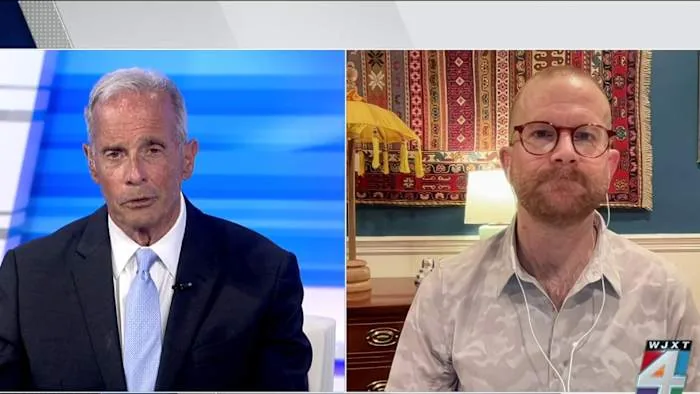
That generational divide is part of why history professor Paul Renfro uses his Florida State University course, U.S. in the 21st Century, to help students grapple with an event that reshaped modern American life. The class gives them a framework for understanding the attacks on the World Trade Center, the Pentagon and the plane crash in Shanksville, Pennsylvania, along with the global war on terror that followed.
A milestone that still shapes how students learn about the attacks
Friday marks the 25th anniversary of the attacks, a milestone that has renewed attention on how Americans remember the day planes struck the World Trade Center towers in New York City and hit the Pentagon, with another plane going down in Pennsylvania. For students born years later, the events are distant history rather than lived memory.
Renfro’s classroom work focuses on that distance. He helps students place the attacks in context and think about how they influenced security, public policy and the broader course of the early 21st century. The point is not only to recite the details of the day, but also to understand how the attacks changed the country they inherited.
That challenge has become more pronounced as the years pass. Each new class includes more students whose only relationship to Sept. 11 comes through lessons, memorial coverage and the national story built around the date.
Paul Renfro’s U.S. in the 21st Century course gives context to a distant event
Renfro is a history professor at Florida State University, and his course is built to help students interpret major developments in recent American history. Within that class, Sept. 11 serves as a defining turning point that cannot be separated from the decades that followed.
By studying the attacks alongside the response to them, students can better understand the era often described as the age of the global war on terror. Renfro said the class offers a unique perspective on that period, especially for students who were not old enough to remember 2001 or were not yet born.
The lesson is not limited to the day itself. It asks students to consider the long reach of the attacks, from national mourning to international conflict and the way the event remains part of the country’s political and cultural memory.
Why a post-2001 generation needs a different kind of history lesson
Young adults now entering college and the workforce grew up after Sept. 11 shaped everything from airport security to news coverage and foreign policy. Because those changes were already in place when they became aware of the world, the attacks can feel abstract rather than immediate.
That is why courses like Renfro’s matter. They translate an event some students know only from textbooks and anniversary broadcasts into a deeper historical moment with lasting consequences. The goal is to connect the personal, national and global effects in a way that makes the history meaningful.
For Gen Z students, that perspective can help bridge the gap between memory and analysis. It also makes room for questions about how societies remember traumatic events once the people who lived through them are no longer the majority in the classroom.
The attacks on New York, the Pentagon and Pennsylvania remain the core of remembrance
The anniversary still centers on the same three places that defined the attacks: the World Trade Center in New York City, the Pentagon, and the field in Shanksville, Pennsylvania, where another plane crashed. Those sites remain powerful symbols of the losses that day and the national response that followed.
For students in Renfro’s class, those details are the starting point for a larger discussion about how the United States changed after Sept. 11. The attacks marked a divide between the world before 2001 and the one that came after, and that divide still shapes how history is taught and understood.
As the 25th anniversary arrives, the focus at Florida State is on helping younger Americans see why the date still matters. Renfro’s course gives them one way to do that: by placing the attacks not just in remembrance, but in the broader arc of modern U.S. history.
Remembering 9/11 through classrooms, ceremonies and family memory
For many people who did live through Sept. 11, remembrance comes through ceremony, storytelling and repeated reflection on where they were when the news broke. For younger students, the experience is different. Their understanding is built in classrooms, through readings, and through accounts from parents, teachers and public commemorations.
That distinction is central to how history is passed from one generation to the next. In the years ahead, more students will encounter the attacks only as an event from the past, making classroom instruction even more important in preserving the human and historical meaning of the day.
Renfro’s work at Florida State reflects that reality. By teaching students who did not experience 9/11 firsthand, he is helping them place one of the most consequential events in modern U.S. history into a context they can study, discuss and understand.